Regulatory Shifts and Their Impact on Bonus Distribution in France's Mobile Table Gaming Sector
Écrit par Hugo Ludwig · 19/9/2026
Regulatory Shifts and Their Impact on Bonus Distribution in France's Mobile Table Gaming Sector
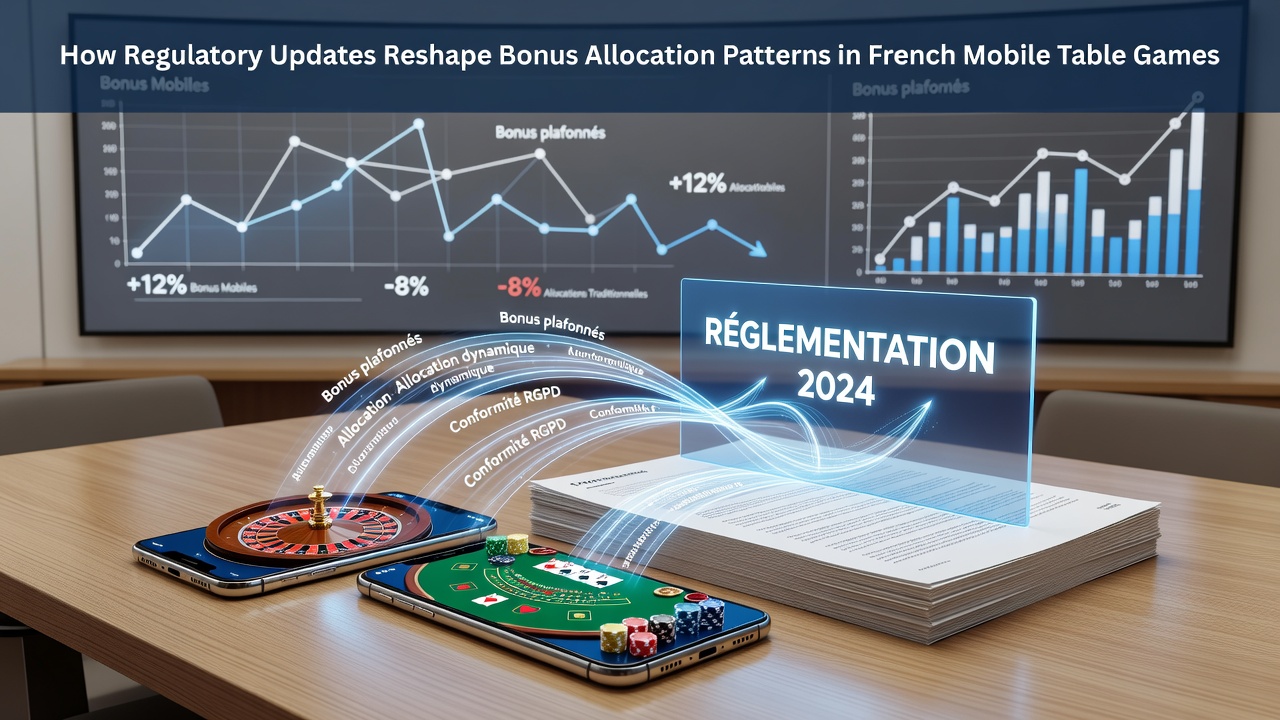
France's mobile table game market has experienced notable adjustments in bonus structures following successive regulatory updates from the Autorité Nationale des Jeux, and observers note that these changes have altered how operators allocate promotional funds across blackjack, roulette, and poker variants on smartphones and tablets. Data from industry monitoring services indicates that bonus caps and transparency requirements introduced in prior years continue to influence allocation patterns, while preparations for further refinements scheduled around September 2026 add another layer of adaptation for providers serving French users.
Table games on mobile platforms represent a distinct segment because their real-time mechanics and lower house edges prompt regulators to scrutinize bonus offers more closely than those attached to slot machines. Researchers tracking allocation trends have documented a shift away from high-value welcome packages toward segmented loyalty incentives that spread rewards across multiple sessions, a pattern that aligns with rules emphasizing sustained play rather than one-time deposits. According to figures released by the ANJ, mobile table game operators reduced average bonus percentages by measurable margins between 2023 and 2025, directing resources instead into cashback mechanisms and tournament entries that comply with stricter wagering caps.
Background on French Mobile Gambling Oversight
The framework governing online table games in France evolved from initial licensing rounds that prioritized consumer protection and tax collection, and subsequent amendments have focused on limiting aggressive marketing tactics that could encourage excessive play. Mobile-specific provisions emerged because device-based access increased participation rates among younger demographics, prompting authorities to mandate clearer disclosure of bonus terms within app interfaces. Those who monitor compliance records note that operators must now demonstrate how promotional budgets support responsible gaming objectives rather than solely driving volume.
European-level discussions on cross-border digital services have also fed into national policy, although French rules retain distinct elements around bonus expiry periods and maximum stake contributions during bonus play. Industry associations report that these combined pressures have prompted platforms to recalibrate allocation formulas, favoring smaller, more frequent rewards over large upfront offers in table game categories.
Changes in Bonus Allocation Patterns Since 2024
Allocation data compiled by market analysts shows that mobile table game bonuses now emphasize time-limited reload offers and milestone achievements instead of deposit-match percentages that once dominated marketing. This redistribution reflects updated guidelines requiring operators to tie rewards more directly to verified play history, reducing the scope for bonus abuse across multiple accounts. Evidence from compliance audits reveals that wagering requirements for table games have stabilized at lower multipliers in many cases, yet operators offset this by limiting eligible game contributions to certain variants like European roulette while excluding others.
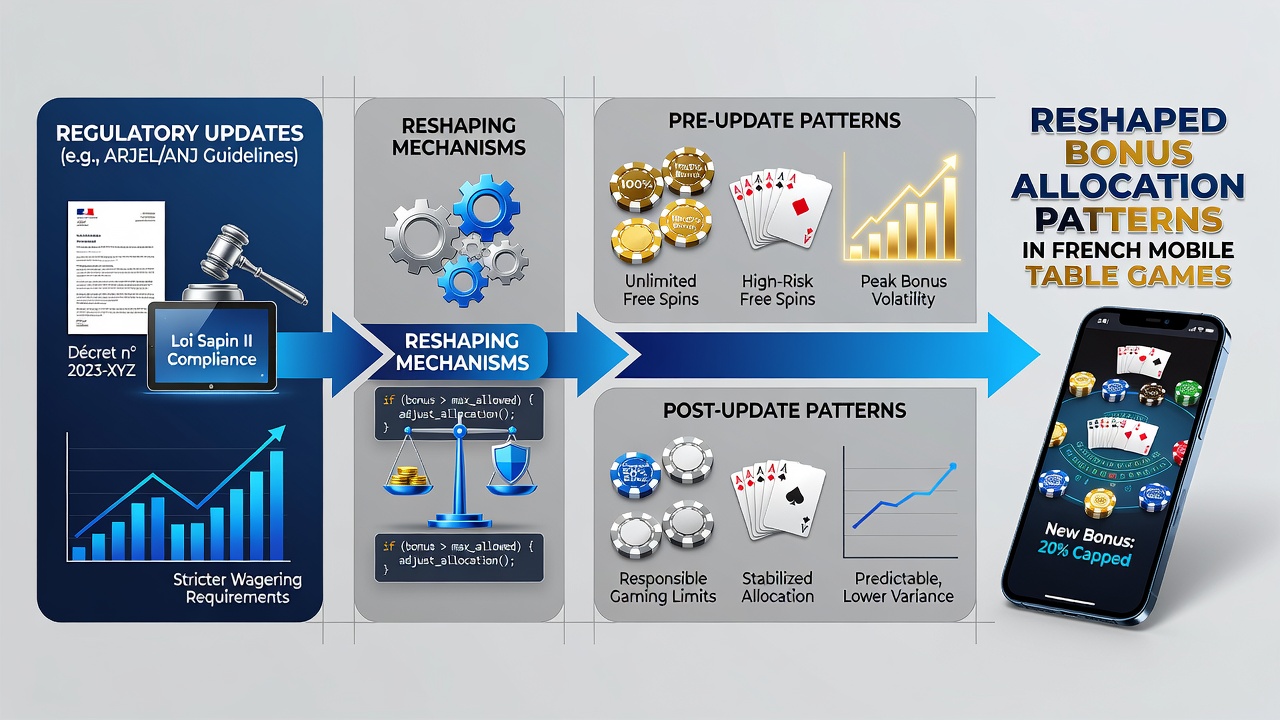
One documented case involves a major licensed operator that restructured its loyalty program to award points redeemable only after a minimum number of hands played on mobile blackjack tables, a move that aligns with ANJ directives on encouraging measured engagement. Similar adjustments appear across the sector, where funds previously concentrated in acquisition bonuses have migrated toward retention tools such as personalized cashback on net losses during live dealer sessions. Reports from the European Gaming and Betting Association highlight parallel developments in neighboring markets, yet French implementations maintain tighter controls on cross-promotion between table games and other verticals.
Anticipated Effects Around September 2026
Regulatory consultations currently underway point toward enhanced reporting obligations for bonus expenditure that are expected to take effect in September 2026, and these measures could further segment allocation between deposit-based and activity-based rewards. Observers following draft proposals indicate that operators may need to allocate a minimum share of promotional budgets to educational tools or play-limit features within mobile apps, shifting resources away from pure monetary incentives. Data modeling from research institutions suggests this could accelerate the growth of hybrid rewards that combine bonus credits with responsible gaming credits, particularly for table game users who demonstrate consistent session lengths.
Payment integration rules tied to these updates may also influence how bonuses are funded, since stricter verification on deposit sources could slow the pace at which new bonus pools become available. Those studying allocation trends note that operators are already testing predictive tools to forecast compliance costs and adjust table game promotions accordingly, ensuring that mobile-specific offers remain competitive without breaching emerging thresholds.
Case Examples from Licensed Operators
Take one provider that adjusted its mobile roulette bonus structure after the 2024 transparency mandate, where rewards now activate only after players complete a set number of verified spins rather than upon initial deposit. Another operator introduced segmented campaigns for live dealer poker tables that distribute smaller loyalty bonuses weekly, a format that complies with rules on progressive disclosure and reduces concentration of promotional spend in single events. Such examples illustrate how regulatory language on fairness and traceability has translated into concrete changes in allocation timing and magnitude across the French market.
Conclusion
Regulatory updates continue to steer bonus allocation patterns in French mobile table games toward more distributed and verifiable models, with data indicating sustained movement from acquisition-focused packages to retention-oriented incentives. As operators prepare for additional requirements around September 2026, allocation strategies are likely to incorporate greater emphasis on compliance-linked rewards that balance commercial objectives with oversight standards. Industry reports from sources such as the ANJ and the European Gaming and Betting Association provide ongoing benchmarks for these evolving patterns, while academic analyses from institutions tracking digital gambling trends offer further context on long-term shifts in promotional budgeting.